Best Balance Pad for Physical Therapy (2026): Foam Pads for Ankle and Knee Rehab
Accessories
The best balance pad for physical therapy is the AIREX Basic for most rehab work. The ProsourceFit pad is the value pick, and its large 15 by 19 size is the better start for both feet and for older adults.
Our picks
The best balance pad for physical therapy for most people is the AIREX Balance Pad Basic. The ProsourceFit Exercise Balance Pad is the best value, and the ProsourceFit Extra Large Balance Pad is the one to buy when you want a wider surface.
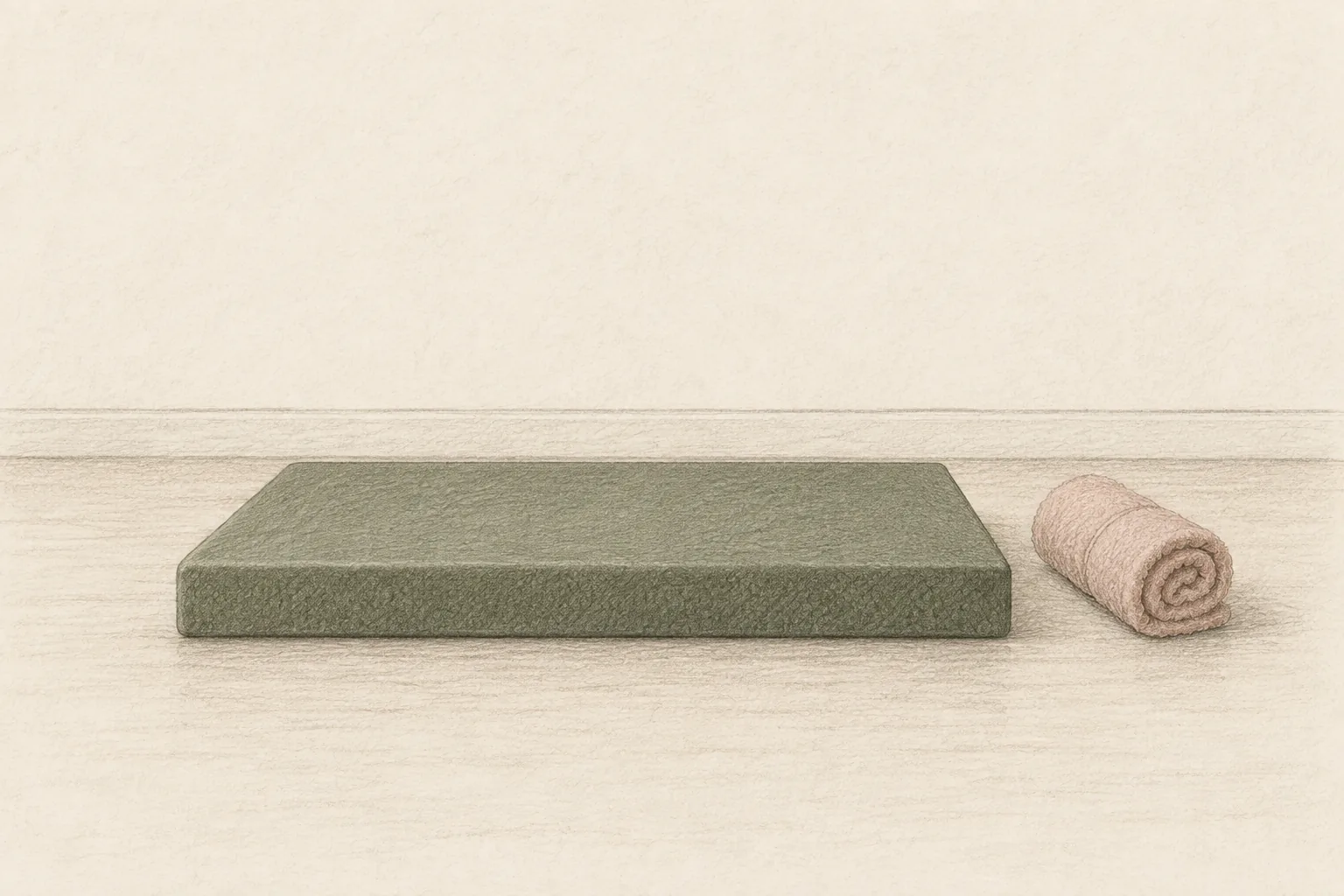
A balance pad looks like a small piece of foam, and that is the point. Stand on it and the soft surface gives, so your ankle, knee, and hip make tiny corrections to keep you steady. Those corrections are exactly what rehab calls for after a sprain or a knee injury, and they are hard to train on a hard floor.
Physical therapists use these pads for ankle proprioception work and for early balance training, because the foam is forgiving enough to be safe while still being unstable enough to make you work. The three picks here cover the range: a therapist-favorite foam pad, a value TPE pad, and a larger size for two-foot drills.
If your goal is muscle work rather than stability, start with our foam roller guide, and for tight calves, the calf stretcher picks help. Everything here sits in the recovery accessories lane next to our massage gun guides.
What a balance pad has to do
Stability is the first job. The pad has to compress under your weight without tipping, so your foot gets a challenge it can recover from. A pad that rolls like a rocker board is a different tool for a different stage of rehab.
Grip is the second job. You are often barefoot, so the surface has to hold a sweaty foot. A textured or closed-cell foam is easy to wipe down and does not turn slick.
Thickness is the third piece. A thicker, softer pad is easier to start on, and a thinner, firmer pad is more challenging. Buy for the stage you are in, not the stage you hope to reach.
AIREX Balance Pad Basic
This is the pick most physical therapy clinics know by name, and that is the reason to start here. The foam is soft, closed-cell, and about six centimeters thick, which gives it the wobble you want without the sudden tip of a hard board.
It works for standing balance, single-leg holds, and floor work, and the surface is gentle if you kneel or sit on it. Because it does not absorb sweat, a quick wipe keeps it ready for the next session.
Buy it if you want the pad therapists reach for and you will use it for ankle or knee rehab. Skip it if you want the lowest price, or if the soft foam feels like too much movement at first.
ProsourceFit Exercise Balance Pad
This is the value pick, and it has the largest buyer trail in the category. The 15.5 by 12.75 inch TPE foam pad is closed-cell, so it wipes clean and does not hold odors, and the foot surface is lightly textured for grip.
It is soft enough for early rehab and stable enough for everyday balance practice. At about 12 ounces, it moves where you do, which matters if you train in more than one room.
Buy it if you want a proven, affordable pad for balance and light rehab. Skip it if you want maximum floor contact for two-foot drills, or you need a firmer surface.
ProsourceFit Extra Large Balance Pad 15 x 19
This is the size to buy when stability is still a work in progress. The 15 by 19 inch surface fits both feet, which lets you do side-to-side steps and wide stance holds without stepping off.
The foam is the same closed-cell TPE as the smaller pad, so it is easy to clean and gentle on the foot. It doubles as a kneeling pad and a standing-desk foot pad, which helps it earn its space between rehab sessions.
Buy it if you are starting balance work after an injury or you want a pad for an older adult. Skip it if you are short on floor space or you mostly do single-leg holds.
How to start balance work safely
Put the pad next to a wall or a sturdy counter and keep a hand on it for the first sessions. The goal is to train your balance, not to test it. Once a hold feels steady, take your hand off the wall and add seconds.
Start with both feet and a wide stance. Stand on the pad, feel how it moves, and shift your weight side to side before you lift one foot. Rushing to single-leg work is how people lose confidence early.
Keep sessions short. A few minutes most days beats one long weekly session. Stop as soon as your form gets sloppy, because a wobbling rep with poor control does not build anything useful.
Add a pillow under the pad only when the basic holds feel easy. Raising the pad makes the surface harder to control, so it is a step up, not a starting point.
Where the pad fits in a recovery routine
Use the pad after you loosen up, not before. A tight ankle or calf makes balance work harder, so roll first with a foam roller and then do your holds. For tight calves, a calf stretcher before the pad helps you get a more stable stance.
If you are coming back from an ankle sprain, pair the pad with the exercises your clinician gave you. A sleeve or ankle brace is for support while you move, and the pad is for rebuilding control. A knee compression sleeve is a similar support tool when the knee is the joint that needs help.
Balance pads are not strength equipment. If you want to build muscle, pair the pad with resistance work. The pad's job is control, and it is good at that one thing.
Who should skip a balance pad
Skip it if you have an unstable fracture, a recent surgery, or a clinician told you not to load the joint. Balance work is not the place to push through pain, and a pad can put you on the floor if you are not ready for it.
You can also skip it if you already own a foam mat and only want light practice. A folded towel gives a little instability, though it is not as consistent as a pad. The pad earns its place when you are doing structured rehab and want a surface that behaves the same every session.
If you have had multiple falls or you feel unsteady most days, talk to a professional first. A pad can be part of the plan, but someone should help you set it up.
Bottom line
Start with the AIREX Balance Pad Basic if you want the soft foam pad physical therapists use for ankle and knee rehab. Choose the ProsourceFit Exercise Balance Pad for a proven value option, or the ProsourceFit Extra Large Balance Pad when you want room for both feet and a steadier start.
Buying through the links on this page supports more guides like this at no extra cost. Browse the rest of the recovery accessories picks, or start with the blog for the full home recovery stack.
Frequently Asked Questions
What is the best balance pad for physical therapy?
The AIREX Balance Pad Basic is the best balance pad for physical therapy for most people because the soft closed-cell foam is what therapists use in early rehab. The ProsourceFit Exercise Balance Pad is the value pick, and the ProsourceFit Extra Large is the better start when you want room for both feet.
What does a balance pad do for rehab?
It creates a soft, unstable surface, so your feet, ankles, and knees make constant small adjustments to keep you upright. That trains balance and joint control, which is the point after an ankle sprain or a knee injury. It is a training tool, not a treatment for a tear or a fracture.
How thick should a balance pad be?
Around two to two and a half inches is the common home range, with the AIREX pad at roughly six centimeters. A thicker pad is more challenging, and a thinner pad is easier to start on. Beginners should pick thicker and softer, not firmer.
Can I use a balance pad if I am older or have had a fall?
Yes, but start with support nearby. Put the pad next to a wall or a sturdy counter and hold on for the first sessions. A wider pad like the 15 by 19 inch size is easier for two-foot work. Ask a physical therapist if you are unsure about your fall risk.
How often should I use a balance pad?
Short and often beats long and rare. A few minutes most days, with easy holds and steps, builds stability better than one long weekly session. Stop when your form gets sloppy, because wobbly reps with bad form do not help.
What is the difference between a balance pad and a foam roller?
A foam roller works on the muscle itself, rolling out tight tissue. A balance pad trains control on an unstable surface. They pair well: roll first to loosen up, then do balance holds on the pad.
Are balance pads safe on bare feet?
Yes, and barefoot is usually better because the texture wakes up the foot and ankle. Just make sure the pad is on a non-slip floor and start with a wall within reach in case you wobble.
Do I need a balance pad for ankle sprain recovery?
Stability work is often part of ankle sprain rehab, and a pad gives you a safe way to do it at home. Pair it with the legwork a clinician gives you, and use a sleeve or ankle brace only if you were told to.