Best Shoulder Ice Pack (2026): Wraps That Stay On
Accessories
The best shoulder ice pack is the REVIX Shoulder Ice Pack Wrap when you want hands-free coverage for a full session. Choose the TheraICE Wrap PRO for the most secure fit, or the Comfytemp wrap when you want hot and cold therapy for less.
Our picks
The best shoulder ice pack for most people is the REVIX Shoulder Ice Pack Wrap, with the TheraICE Shoulder Ice Pack Wrap PRO the pick if you want the most locked-in fit and the Comfytemp Shoulder Ice Pack Wrap the value option that also handles heat.
The shoulder is the hardest joint to ice by yourself. It is round, it is deep, and half the joint sits behind you where a flat pack cannot reach. Hold a plain gel pack against the top of the shoulder and it slides off the moment you relax your arm, which is usually right when the cold starts to work.
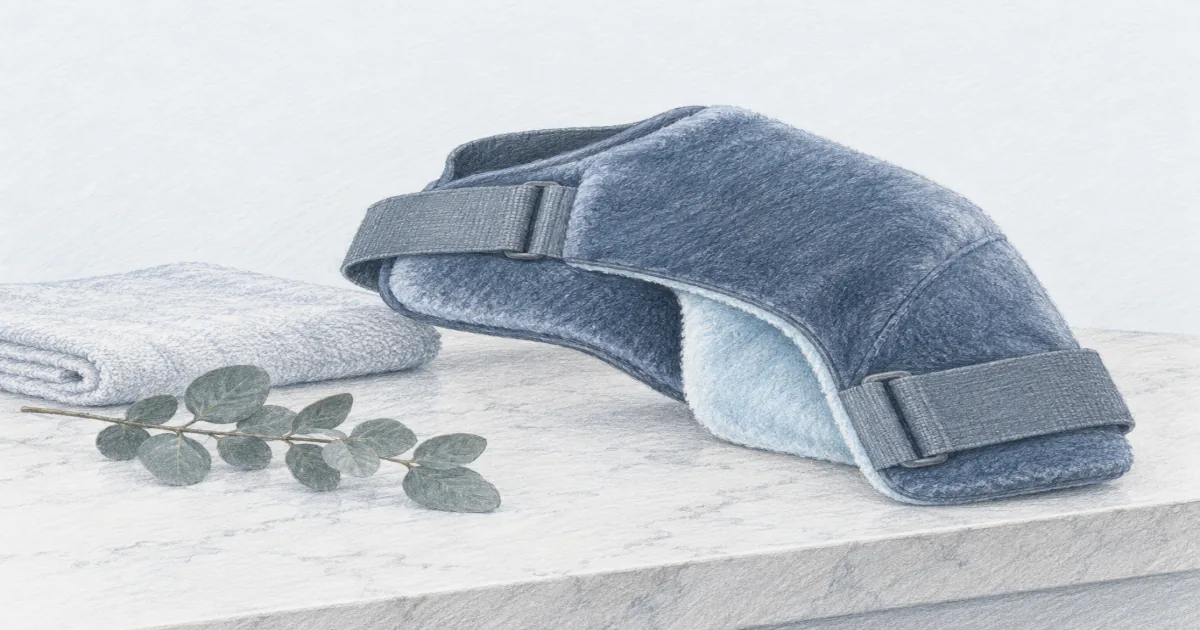
A wrap built for the shoulder solves that. It curves over the top, wraps the front and back of the joint, and closes with straps so your other hand is free. That hands-free fit is the whole point of this category, and it is why a dedicated shoulder wrap beats the rectangular pack in your freezer.
The three picks below cover the usual range: a two-strap wrap for most people, a sleeve-style wrap for the most secure hold, and a lower-cost wrap that does hot and cold. For general icing on other areas, our best ice pack guide is the right start, and the best ice pack for knee covers knee-shaped wraps. Everything here lives in the recovery accessories lane alongside our massage gun picks.
What a shoulder ice pack has to do
Fit comes before anything else on the spec sheet. The wrap has to cover the top of the shoulder, the front of the joint, and a slice of the upper arm and back. If it stops at the top, you are cooling the one spot that is easiest to reach and missing the tissue that actually hurts.
Cold life is the second job. Most home icing runs 15 to 20 minutes. A wrap that gives you 20 to 30 minutes of usable cold covers a full session, and a second pack in the freezer covers the next one. Gel that freezes into a hard block is a dealbreaker, because a rigid pack cannot follow the curve of a shoulder joint.
The last job is staying on. Straps or a sleeve keep the pack in place while you sit, read, or walk to the kitchen. That matters more than any feature label, because a pack you have to hold with your hand is a pack you will stop using.
REVIX Shoulder Ice Pack Wrap
This is the best shoulder ice pack for most people because it does the one thing a flat pack cannot. The dual-fabric wrap covers the front, top, and back of the shoulder, and the two adjustable straps hold it there hands-free while you sit or move around.
Use the plush side first. It buffers the cold enough that you can leave the wrap on without flinching, which helps on a tender shoulder after surgery. Flip to the smooth nylon side once the joint is used to icing, and the cold transfers more directly for the back half of the session. The gel blend is filled to stay pliable at a low freezing point, so it wraps the shoulder instead of hovering over it.
Buy it if you want one wrap that covers the whole joint and stays on through a normal evening. Skip it if you want a strap-free sleeve, or if a two-handed bicep strap is a dealbreaker for a recovering shoulder.
TheraICE Shoulder Ice Pack Wrap PRO
This is the pick when fit security matters most. It is a sleeve with compression, not a flat wrap, so it closes around the shoulder and holds its position while you use the arm normally. That makes it a good fit for rotator cuff soreness and for the weeks after surgery when you are sitting up a lot.
The added coverage over the upper trap is a practical bonus, because shoulder pain often drags the neck and upper back along with it. The wrap is reversible for either shoulder, though switching sides takes about a minute of unbuckling and refastening. Cold runs about 20 to 25 minutes after a two-hour freeze, which lands inside the usual icing window.
Buy it if you want the tightest, most stable fit and you are in the average size range. Skip it if you have broad shoulders or you alternate sides several times a day.
Comfytemp Shoulder Ice Pack Wrap
This is the value pick that still covers the shoulder properly. The wrap goes over the head, closes across the chest, and secures the upper arm, which puts cold on the front, top, and back of the joint. The segmented gel design keeps the fill distributed, so you are not chasing a lump of gel to the bottom corner mid-session.
The reason to choose it over the other two is versatility. It works cold out of the freezer and warm from the microwave, so one wrap covers the swelling days and the stiff days. The straps fit a wide chest range, which helps if the one-size sleeves tend to run short on you.
Buy it if you want a budget wrap that does both hot and cold. Skip it if you want a sleeve you can pull on with one hand, or if you have very broad shoulders and need maximum reach.
How to ice a shoulder without hurting the skin
Always keep a fabric layer between the gel and bare skin. Both the REVIX and TheraICE wraps have a plush or soft side for exactly that, and the Comfytemp wrap sits over a shirt fine. Direct, prolonged contact is how people end up with a cold burn from a wrap that felt comfortable at minute two.
Work in short sessions. Fifteen to 20 minutes is the usual home window, then give the skin at least an hour before you ice again. Set a timer, because a numb shoulder stops telling you when enough is enough.
Check the skin when you take the wrap off. Cool and pink is normal. Waxy, white, or hard patches mean you overdid it. Let the shoulder come back to normal temperature before the next session, and never sleep on a wrap that has no timer.
If you are icing after a strain rather than surgery, support the arm while you ice. A pillow under the elbow keeps the shoulder relaxed, and a relaxed shoulder takes the cold better than one you are tensing to hold in place.
Shoulder ice pack vs cold therapy machine
A shoulder wrap is the simple home option. You freeze it, strap it on, and wait 20 minutes. No tubes, no pump noise, no ice to refill, and it costs a fraction of a machine.
A cold therapy machine circulates chilled water through a pad for longer sessions, which is what some post-surgical protocols call for. The trade-offs are price, setup, and being tethered to a cooler while you recover.
Most home users start with a wrap and only move up if a surgeon or physical therapist asks for continuous cold. If you are icing three or four times a day, buy a second wrap before you buy a machine.
Who should skip a shoulder wrap
Skip a wrap entirely if a clinician told you not to use cold on that shoulder, or if you have circulation problems, reduced sensation, or a cold sensitivity that makes icing risky. Ask before you freeze anything.
You can also skip it if you only need the occasional cool-down for a minor ache. A bag of frozen peas in a towel does the job, and it costs nothing. The wrap becomes worth it when you are icing on a schedule and holding a pack in place has become the annoying part.
If your shoulder is stiff rather than swollen, cold may not be the right tool at all. A heating pad or a neck and shoulder heating pad may get more use on the days the joint just feels locked up.
Bottom line
Start with the REVIX Shoulder Ice Pack Wrap if you want a two-strap wrap that covers the joint and stays on hands-free. Choose the TheraICE Shoulder Ice Pack Wrap PRO when you want the most secure sleeve fit, or the Comfytemp Shoulder Ice Pack Wrap if you want a lower-cost wrap that also does heat.
Buying through the links on this page supports more guides like this at no extra cost. Browse the rest of the recovery accessories picks, or start with the blog for the full home recovery stack.
Frequently Asked Questions
What is the best shoulder ice pack?
The REVIX Shoulder Ice Pack Wrap is the best shoulder ice pack for most people because the two straps hold it on the joint while you sit or move, and the plush side makes the first minute bearable. Choose the TheraICE Shoulder Ice Pack Wrap PRO for the most secure sleeve fit, or the Comfytemp Shoulder Ice Pack Wrap if you want hot and cold therapy for less.
Is an ice pack effective for shoulder pain?
For short-term comfort and to calm swelling after a strain, a workout, or surgery, yes. Cold lowers tissue temperature and helps take the edge off pain. It is not a fix for a torn tendon, and it will not replace the exercises a clinician gives you for a frozen shoulder or a rotator cuff repair.
What kind of ice pack stays cold the longest?
A larger gel wrap with more fill holds cold longer than a small pouch, usually around 20 to 30 minutes per session. Wraps with a nylon side feel colder because the cold transfers more directly, while the plush side spreads it out gently. Two wraps in rotation beat one wrap you refreeze all evening.
What size shoulder ice pack do I need?
Look for a wrap that reaches across the top of the shoulder, down the front, and partway around the upper arm. If you have broad shoulders, measure your chest first. Several one-size wraps stop short on larger frames, and a wrap that does not reach the joint cannot cool it.
Should I use heat or ice on a sore shoulder?
Ice is the usual call for a fresh injury, swelling, or soreness after activity. Heat is better for stiffness and for loosening a shoulder before you move it. Many people alternate, using ice after a long day and heat before gentle range-of-motion work.
How long should I ice my shoulder?
Most home guidance is 15 to 20 minutes with a fabric barrier between the wrap and bare skin, then at least an hour before icing again. Stop if the skin turns waxy, white, or painful. If a surgeon gave you a different icing schedule after a shoulder repair, follow that one.
What is the best cold pack for neck and shoulders?
If the pain sits across the neck and upper back as well as the shoulder, a wider neck and shoulder wrap is a better shape than a shoulder-only sleeve. A shoulder-specific wrap still wins for rotator cuff pain, because it curves around the front and back of the joint instead of draping over the top.
Do I need a shoulder ice pack after rotator cuff surgery?
Many people ice on a schedule for the first week or two, so a wrap that stays on while you sit or sleep upright is genuinely useful. Keep a second pack in the freezer if you ice more than twice a day. Follow the protocol from your surgical team over anything you read here.